The Herp Index: Shedding in Snakes - What’s Normal, What’s Not, and Why It Matters
Under the Skin
 |
| ~ Complete shed of the snake head ~ (credit: BSAVA Manual of Reptiles) |
Shedding, or ecdysis, is a normal and essential physiological process in snakes. While it may look like a simple act of “sloughing skin,” it is actually a hormonally controlled, multi-stage event involving complex cellular, biochemical, and environmental interactions. When conditions are optimal, shedding occurs smoothly and in one complete piece. When they aren’t, the result is dysecdysis, or abnormal shedding.
Understanding ecdysis is important not only for keepers, but also from a veterinary perspective, because repeated or abnormal sheds often indicate underlying husbandry, nutritional, dermatological, or systemic disease.
The Phases of Ecdysis
Ecdysis is regulated largely by the pituitary–thyroid axis, with thyroid hormones playing a major role in growth and skin turnover. Histologically, the process is far more involved than it appears externally.
The shedding cycle can be broadly divided into resting phases and renewal phases.

1. Resting Stage
The outer epidermis is fully formed and functional. There is no active cellular proliferation or differentiation occurring. The skin appears normal and intact.
2. Renewal Stage
Under hormonal influence, particularly from the thyroid gland, a new generation of epidermal cells forms beneath the existing outer layer, which differentiates into three layers that together form the new skin. As this happens, snakes often begin to appear dull both in appearance and behaviour.
3. The “Blue” or Opaque Phase
 |
| ~ Baby Google before his first shed ~ |
As separation begins between the old and new skin layers, lymphatic fluid accumulates between them. This fluid gives the snake a characteristic dull or bluish appearance, commonly referred to by herpetoculturists as being “in blue.”
At the same time, the spectacle (eye cap) also becomes cloudy, as it too is replaced during ecdysis. During this phase, vision is reduced, and snakes often become reclusive, defensive, or less active.
4. Cleavage and Separation
Separation of the old skin from the new occurs through:
-
Anaerobic glycolysis, which helps weaken adhesion
-
Acid phosphatase and proteolytic enzymes, which break down the cementing substances between skin layers
As the fluid is resorbed, the snake “clears up” visually. Soon after, the old skin dries slightly, stiffens, and the snake proceeds to shed.
5. Ecdysis
 |
| ~ Bright and shiny with his shed ~ |
Healthy snakes shed the entire skin in one continuous piece, including the eye caps. The process itself may take only minutes to hours, although the entire cycle may span days to weeks.
From the onset of the dull or “blue” phase to the final shed, though this may vary with species, temperature, humidity, and health status.
Following ecdysis, snakes often resume feeding immediately.
How Often Do Snakes Shed?
The frequency of ecdysis varies widely and depends on multiple factors:
-
Species
-
Age: younger individuals often grow more quickly and shed more frequently than adults
-
Growth rate
-
Nutritional status: hypoproteinaemia and hypovitaminosis A will lead to dysecdysis
-
Temperature and humidity
Parasitism: ectoparasites, such as Ophionyssus natricis, may cause repeated poor sheds
-
Season and photoperiod: daylight length, temperatures, rainfall/relative humidity
-
Overall health and endocrine function (primarily thyroid function)
Hydrational status: dehydration will lead to dysecdysis
Surroundings: a lack of abrasive substrate for snakes may prevent successful shedding
Rapidly growing juveniles may shed every 2–3 weeks, while adults may shed three to four times per year. Wounds, infections, or skin trauma can trigger more frequent shedding cycles.
What Snakes Need for a Successful Shed
For normal ecdysis, snakes rely heavily on environmental support.
Humidity
Low humidity is one of the most common causes of dysecdysis, especially during the winter months when indoor humidity may drop below 10 % in inland areas. In dry conditions, the old skin dries prematurely and adheres to the body.
A hygrometer is extremely useful to monitor the humidity levels inside the tank. In (my experience) coastal areas and areas with high average humidity only warrant the need of a hygrometer so that measures can be taken incase the levels are too low. Other regions where low temperatures and humidity are frequent may necessitate the use of a misting or fogging system linked with the hygrometer.
Some methods to increase humidity are:
-
Moist hide boxes
Wide and shallow water vessels
-
Damp sphagnum moss (not soaked)
-
Damp sponges or cloths
-
Regular misting
-
Foggers (smaller enclosure) or misting systems (large enclosures)
Surface Texture
 |
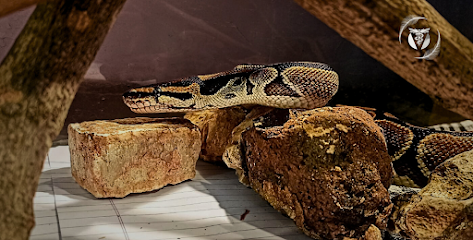
| ~ He loves his branches ~ |
Rough surfaces such as branches, rocks, or textured hides allow snakes to initiate shedding mechanically and relieve discomfort, while also serving as a source of enrichment.
Minimal Handling
Snakes should not be handled during ecdysis. The skin is fragile and easily damaged at this stage, and handling increases the stress induced to the animal, putting them at risk of incomplete shedding.
That's all, folks.
I will be posting more articles covering rehabilitation, enclosures, diet, free flight, and training with various species, including turtles, snakes, dogs, and more.
- Gmail - namratansahoo@gmail.com
- Instagram - @TheVetDiariesBlog
- Subscribe to my YouTube: The Vet Diaries


.jpg)


Very informative, researched and written. Keep it up
ReplyDelete