Posts

Showing posts with the label Behaviour

The Herp Index: Why Is My Snake Refusing To Eat?

Image
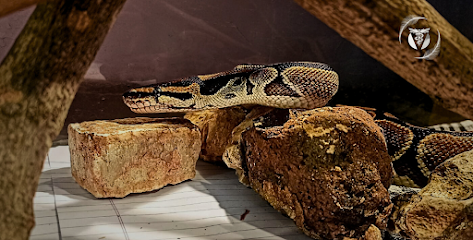
Few things worry snake keepers more than a pet that suddenly stops eating. This causes owners to panic - Why is my snake not eating? Is  it stressed? Sick? Or just being a picky serpent? As a snake owner, I get this question all the time, and the truth is: snakes refusing food can be perfectly normal—or a red flag that needs attention. The trick is knowing the difference. In this post, we’ll walk through the common reasons snakes go off food, how to separate harmless fasting from health issues, and the practical steps you can take to get them feeding again. Why is My Snake Not Eating? Common Reasons Not all feeding refusals are alarming. Here are the most common causes: ~ Classic visible signs that Google is about to shed ~ Shedding: Appetite often dips a week before shedding. Dull skin and cloudy eyes (“blue eyes”) are tell-tale signs.  Seasonal cycles: Some snakes naturally slow their feeding in cooler months or during brumation. Stress: New e...

Conure Care Guide: How to Survive and Thrive

Image
Maybe you didn’t read my earlier rant about why conures might not be everyone’s cup of tea (read it  here if you haven't) —or perhaps you read it and still thought, “Challenge accepted.” Either way, you’ve found yourself living with a feisty little rainbow chicken that screams like a smoke alarm and chews like a teething puppy. Good news: while conures can be a lot to handle, they’re also incredibly rewarding companions when cared for properly. That’s why I put together this Conure Care Guide—to help you survive. 

The Herp Index: Unveiling the Secrets of Reptile Behavior

Image
Reptiles are often misunderstood. Cold-blooded, slow-moving, and mysterious, they don’t wear their emotions on their sleeves (or scales) like mammals do. But make no mistake—these creatures have a rich behavioural repertoire. If you’ve ever watched a bearded dragon bob its head, a snake flick its tongue, or a turtle bask under a lamp, you’ve witnessed a complex language of instinct and adaptation. In this edition of The Herp Index , we dive into the fascinating world of reptile behaviour—decoding the why behind the wiggle, the stillness, and the sideways glances of our scaly friends. 1. Tongue Flicking: The Snake's Super Sensor  If you've ever held a snake, you’ve likely seen it flick its tongue rapidly in and out. This isn’t a sign of aggression—quite the opposite. Snakes use their tongues to “taste” chemical particles in the air and transfer them to Jacobson's organ (or vomeronasal organ) in the roof of the mouth. Why it matters: Frequent tongue flicking me...

Signs of Aggression In Budgies: Behaviors To Look Out For

Image
Budgerigars are the cutest, most amicable floofballs around.  They're not usually aggressive towards other birds by nature and will make up quickly after a slight scuffle.  But, under certain temperaments or if put in certain situations, they're also fierce, aggressive birds that given a chance will readily put their neighbour in a tight spot.  Here are some telltale signs of an aggressive bird - Signs of Aggression Typical signs of aggression in budgies and behaviour preceding a fight include -  1.  Lunging and attempting to bite or nip 2.  Screeching and hissing 3.  Flying and trying to land on another bird 4.  Plucking or pulling at another bird's feathers 5.  Chasing 6.  Head bobbing with feather fluffing with pinned irises (when the iris gets very small) Unless you observe two or more of these together repeatedly, keep in mind that these are general signs; your budgie may just be playing with the others.  Pinned irises are ofte...

Are Budgies Aggressive Towards Other Birds? Understanding Your Bird's Behaviour

Image
Budgerigars, often called budgies, are one of the most popular bird species amongst bird owners. Their friendly personality, adorable character and active persona make them increasingly preferable when picking a pet as a new owner.  However, beneath that mischievous, cute disposition is sometimes a fierce, territorial avian that will not hesitate to dispose of others it dislikes; this can be seen when keeping them with other birds, including budgies. Here's a list of reasons why your budgie may be showing aggressive behaviour towards its fellow birds (my articles on signs of aggression and how to prevent aggressive behaviour have been linked in the section below) Why Is My Budgie Showing Aggression Towards Other Birds? Budgies, while not aggressive by nature, tend to show aggression under certain circumstances or due to their personal temperaments. In general, reasons for aggravation can include - 1.  Territorial Behavior : budgies can be highly territorial when they feel thei...